28 Apr 2025
Read Time: 3 min read
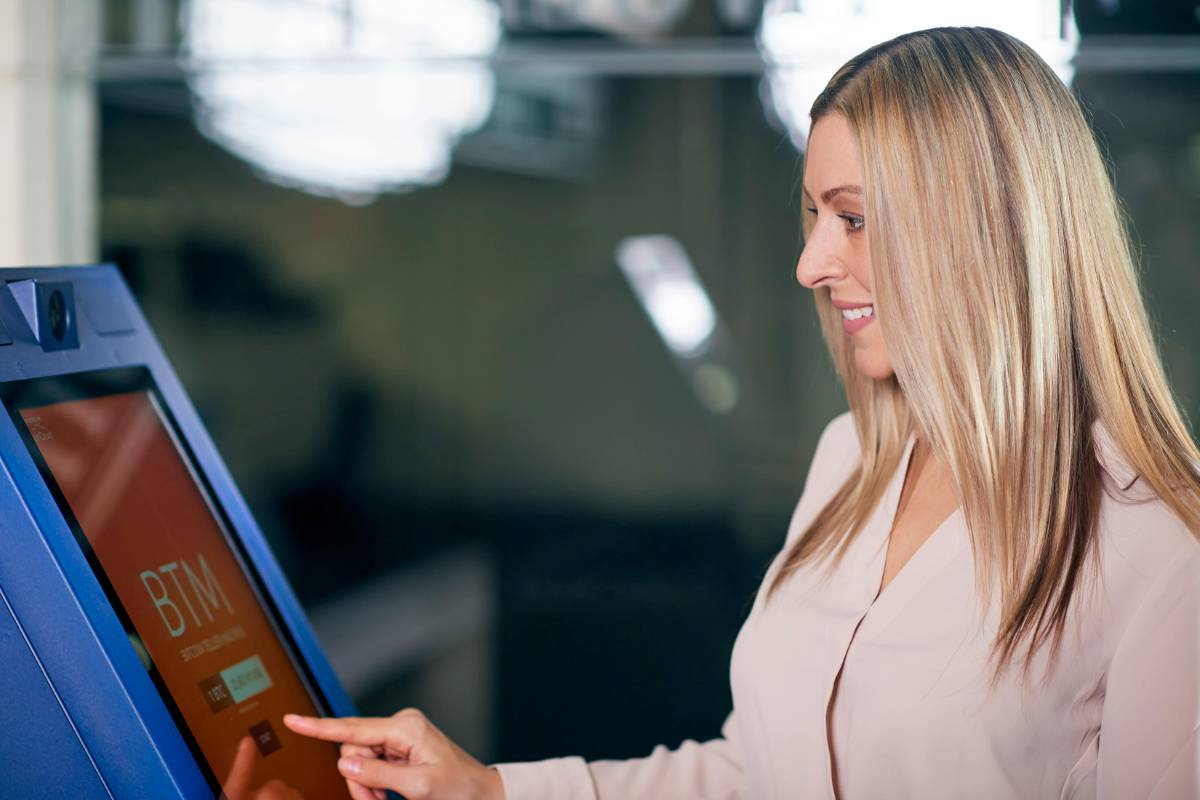
The U.S. banking industry is undergoing a major transformation with the rise of digital banking. Traditional banks face increasing competition from online financial institutions, leading to a shift in how consumers manage their money.
Traditional Banking: Stability and Personalized ServicesBrick-and-mortar banks have been the foundation of the financial system for decades, offering in-person customer service, loan consultations, and secure transactions.
Many customers still value the physical presence and trust associated with traditional banks.
The Rise of Digital BankingOnline-only banks and fintech companies provide a seamless, technology-driven banking experience with lower fees, higher interest rates, and 24/7 accessibility.
Mobile apps, AI-driven customer support, and instant transactions make digital banking more convenient than ever.
Traditional banks often charge higher fees due to operational costs, while digital banks reduce expenses by eliminating physical branches.
With increased smartphone adoption, digital banking continues to gain popularity, especially among younger generations.
While digital banks use encryption and cybersecurity measures, some consumers remain wary of online fraud and data breaches. Traditional banks offer a sense of security with physical locations and FDIC insurance.
Balancing convenience with security is a key consideration for modern banking customers.
ConclusionThe future of banking in the U.S. will likely see a blend of digital and traditional services. Consumers will choose based on their needs, with digital banking leading in convenience and traditional banks maintaining a stronghold in personalized service and trust.
Get the latest and most accurate news delivered straight to your inbox. Subscribe now and never miss an update.

An insightful voice in the industry, crafting content that informs, inspires, and connects with readers.
View all articles →